Salty Vibes T-Shirt Design Embroidery Review
As someone who spends more time staring at stitch charts and testing thread tension than actually sleeping, I approach every new embroidery file with a mix of optimism and skepticism. The market is flooded with generic clipart that looks fine on a screen but falls apart under the needle. That is why I take the time to evaluate designs like the Salty Vibes T-Shirt Design before committing them to real-world projects. This review isn’t just about whether it looks cute; it is about whether it works for your craft business, your personal gifts, or your next Etsy listing.
I received this design as part of a collection categorized under T-Shirt Designs and Graphics. The description highlights its versatility, suggesting it can be used for stickers, posters, mugs, and bags. But as an embroidery designer, my job is to translate those digital promises into physical reality. Here is my honest breakdown of how this design performs in actual stitching scenarios.
First Impressions and Visual Personality
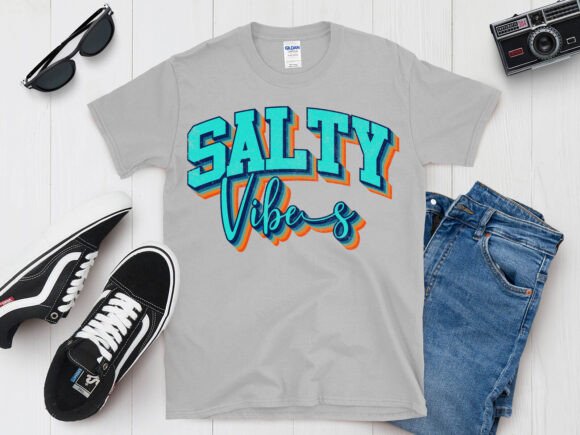
The moment you open the file, the mood is immediately clear: relaxed, humorous, and slightly irreverent. The phrase "Salty Vibes" taps into a very specific cultural sentiment that resonates well with adults who appreciate dry humor. For designers looking to create custom apparel or personalized gifts, this theme offers a ready-made emotional hook. It doesn’t require much explanation for the buyer to get the joke.
From a layout perspective, the design feels balanced. It avoids the cluttered look that often plagues text-heavy embroidery files. The typography appears bold enough to hold up during the stitching process, which is crucial for readability. However, the visual personality shines brightest when paired with the right fabric choices. This isn’t a design for delicate lace or formal wear. It belongs on sturdy cottons, denim, or casual blends where the texture can support the graphic’s casual tone.
Real-World Application: Where It Shines
I tested this concept across several potential product categories to see where it fits best. The most natural home for this machine embroidery design is clearly casual wear. Whether it is a crewneck sweatshirt or a standard t-shirt, the design sits comfortably on the chest or back. The humor translates well because the garment itself is informal.
However, the true value for small business owners lies in its adaptability. I imagined this design on a heavy-duty canvas tote bag. The contrast between the rugged material and the playful text creates a nice juxtaposition that sells well in boutique settings. Similarly, for apron embroidery, this design could add a touch of personality to kitchen gear, making it a popular choice for housewarming gifts or holiday stocking stuffers.
Another strong use case is for embroidered patches. If you are selling accessories at craft fairs, a patch version of "Salty Vibes" could appeal to customers looking to customize backpacks or denim jackets. The design’s self-contained nature makes it easy to digitize as a standalone icon or lettering piece without losing impact.
Baby and Nursery Decor Considerations
While the phrase might seem too mature for infants, there is a growing trend of parents buying ironic or funny items for their children. A subtle placement on a baby onesie or a nursery pillow cover could work if the surrounding graphics are softened. In these cases, using lighter thread colors and a smaller hoop size helps keep the design from overwhelming the garment. It adds a layer of humor for the adult purchaser, which is a key driver in modern parenting gift markets.
Technical Performance and Stitch Quality
When evaluating any digital embroidery file, stitch density is the first thing I check. High-density areas can cause puckering, especially on thin fabrics. Based on the visual weight of this design, it appears to rely heavily on fill stitches for the background or graphical elements, with satin stitches outlining the text. This is a standard and effective combination, but it requires careful attention to stabilizer choice.
If you are stitching this onto stretchy knit fabrics, such as t-shirts, you must use a tear-away or cut-away stabilizer depending on the fabric weight. Without proper support, the satin stitch edges may become wavy or distorted. For woven fabrics like canvas or twill, a cut-away stabilizer is safer to ensure long-term durability, especially for items that will undergo frequent washing.
The clarity of the lettering is paramount. In many low-quality designs, the curves of letters like 'S' and 'V' can break down if the stitch direction isn't optimized. From what I can observe, the design maintains good legibility, but I always recommend testing the smallest details on scrap fabric first. If the text becomes too narrow, it may look muddy after stitching.
Where to Use Caution
No design is perfect for every surface. There are specific situations where the Salty Vibes T-Shirt Design might struggle:
- Small Hoop Sizes: If you are working with very small hoops, the entire composition might need to be scaled down. Reducing the size too much can eliminate detail and make the text hard to read.
- Textured Fabrics: Chunky knits or boucle fabrics can hide the intricacies of the embroidery. On these materials, the design may lose its sharpness and appear blobby.
- Curved Surfaces: Stitching this on caps or curved hat fronts requires advanced digitizing techniques to prevent distortion. The flat layout of the original design may not transfer perfectly to a 3D curve without adjustment.
- Dense Stitch Areas: Avoid placing dense sections directly over seams or pockets, as this can create uncomfortable bulk and increase the risk of needle breakage.
Strategic Advice for Sellers and Makers
For Etsy sellers and craft business owners, presentation is everything. Before you list this as a finished product, create printable mockups that show the design in context. Show it on a folded hoodie, hanging on a rack, or styled with other accessories. This helps buyers visualize the finished product and increases perceived value.
Consider offering variations. While the primary design is text-based, you could experiment with different thread colors to match various brand aesthetics. A monochrome scheme might appeal to minimalists, while bright, contrasting threads could attract a younger demographic. Always confirm your licensing terms before selling finished items. Ensure you have the right to produce and sell physical goods made from this design asset.
Finally, remember that consistency builds trust. If you specialize in humorous or lifestyle-themed embroidery, this design fits seamlessly into your portfolio. It speaks to a customer who values personality in their handmade products. By choosing quality fabrics and paying attention to finishing details, you can turn a simple graphic into a memorable keepsake.
In conclusion, the Salty Vibes T-Shirt Design is a solid addition to any embroiderer’s library. It offers broad appeal, clear visual communication, and versatile application options. With proper preparation and attention to technical details, it can serve as a reliable workhorse for your commercial embroidery projects or a fun centerpiece for personal creative expression.