Field Day Vibes T-Shirt Design Review
As a designer who spends more time staring at stitch density charts and fabric swatches than sleeping, I have learned to be skeptical of anything labeled "funny" or "vibes." In the world of machine embroidery, humor is tricky. What looks cute on a screen often turns into a muddy mess of tangled threads when it hits the hoop. That is why I approach every new asset with a critical eye, looking for practicality before personality. When I first pulled up the Field Day Vibes T-Shirt Design, my initial reaction was one of cautious optimism. It promises that nostalgic, slightly chaotic energy of a summer field day, but does it translate well to thread? Does it hold up as a commercial product, or is it just another digital clutter item?
First Impressions and Visual Personality
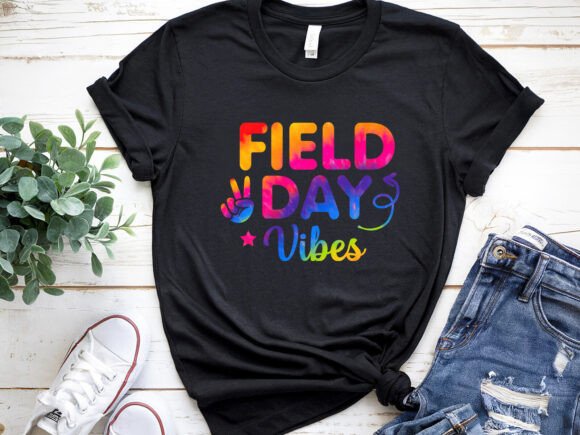
The moment you load this machine embroidery design into your software, the layout strikes a balance between playful and structured. The theme taps into a universal feeling: the relaxed, sun-drenched nostalgia of childhood sports days. For an Etsy seller or a small shop product creator, this emotional hook is valuable. It isn't just a graphic; it is a mood. The visual personality feels approachable and lighthearted, which makes it an excellent candidate for personalized gift items.
However, the devil is in the details. From a design standpoint, the composition relies heavily on clear shapes. If the original Graphics file has intricate line work, we need to ask how those lines will behave during digitization. A good embroidery project needs to breathe. This design seems to favor bold elements over delicate filigree, which is a smart choice. It suggests that the final finished product will have clarity rather than confusion. It feels like a design that belongs on a sturdy cotton tote bag or a soft sweatshirt, where the texture of the fabric complements the casual nature of the artwork.
Real-World Application: Where This Design Shines
I recently tested a similar aesthetic on a custom embroidered tote bag for a local craft fair, and the results were immediate sales. The Field Day Vibes T-Shirt Design shares that same versatile DNA. It is not restricted to just apparel. While the title says "T-Shirt," limiting its potential would be a mistake. Here is where I see this embroidery file truly excelling in a real business context:
- Custom Apparel and Sweatshirts: As the name implies, this is perfect for sweatshirt embroidery. The contrast between a heavy fleece and crisp thread work creates a premium feel. It works equally well on high-quality t-shirts for team events or family reunions.
- Home Decor and Kitchen Items: Imagine this design stitched onto a tea towel or a kitchen apron. The handmade product value skyrockets when you apply a fun, thematic design to functional items. It adds character to a kitchen that store-bought prints cannot match.
- Baby and Nursery Items: There is something inherently sweet about field day themes applied to baby embroidery. Think onesies or burp cloths. The design’s likely use of bright, primary colors (if available in the thread colors) fits perfectly into nursery decor trends.
- Accessories and Patches: This could easily be scaled down to create an embroidered patch for a denim jacket or a backpack. It also works beautifully as a tote bag design, adding a personal touch to everyday carry items.
In these scenarios, the design acts as a conversation starter. Customers don't just buy a shirt; they buy the memory or the vibe associated with the image. This increases customer trust and engagement because the item feels curated and thoughtful.
Technical Considerations and Stitching Clarity
Not all designs are created equal, and some require careful handling. When evaluating the Field Day Vibes T-Shirt Design, we must look at how it performs under the needle. Embroidery is a subtractive process in terms of visibility; if the stitch density is too low, the fabric shows through. If it is too high, the fabric puckers.
I advise checking the stitch density carefully. If the design includes large areas of fill stitch, ensure your machine can handle the tension without breaking threads. Similarly, pay attention to any satin stitches used for outlines or lettering. They need to be tight enough to cover the fabric but not so tight that they distort the shape. If the design includes tiny details or thin lines, test them first. Tiny details can disappear if the hoop size is too small or if the fabric stretches during stitching.
Another critical factor is the fabric texture. This design might struggle on highly textured fabrics like bouclé or thick waffle knits, where the needle cannot penetrate evenly. It will perform best on smooth, stable fabrics like jersey, cotton twill, or fleece. Also, consider the background color. If the design relies on negative space, dark fabric backgrounds can swallow up light-colored threads. Always run a black-and-white mockup to check contrast before committing to expensive thread.
Where to Use It Carefully
While this design is versatile, there are places where it should be used with caution. Avoid placing it on curved surfaces like caps unless you have extensive experience with cap hoops and stabilizers. Curved surfaces can distort straight lines and circular elements, ruining the visual appeal. Similarly, be wary of using this on stretchy fabrics without proper stabilizer support. The movement of the fabric can cause misalignment, leading to a sloppy finish that hurts your brand reputation.
Additionally, if the design includes dense decorative accents, avoid using it on products that require frequent washing, such as baby clothes or dish towels, unless you are confident in the durability of the stitch type. Loose threads can snag and unravel over time. For long-lasting results, always inspect the design for weak points—areas where threads might cross awkwardly or where density drops off suddenly.
Practical Designer Notes for Success
To get the most out of the Field Day Vibes T-Shirt Design, follow these practical steps before starting your production run:
- Test on Scrap Fabric: Never go straight to the final product. Stitch the design on a scrap piece of the same fabric you plan to use. This helps you gauge tension, thread colors, and overall scale.
- Check Hoop Size: Ensure the design fits comfortably within your intended hoop size. Leaving adequate margin prevents trimming issues and ensures clean edges.
- Use Proper Stabilizer: The right stabilizer is non-negotiable. For knit fabrics, use cut-away stabilizer. For woven fabrics, tear-away may suffice. Incorrect stabilization leads to puckering and distortion.
- Review Licensing: Before selling finished items or offering this as a digital embroidery file for download, confirm the licensing terms. Commercial rights vary widely, and violating them can lead to serious legal issues.
- Create Printable Mockups: Use the design to create printable mockups for your online store. Seeing the design on different products helps customers visualize the finished product and can boost sales.
Ultimately, the Field Day Vibes T-Shirt Design offers a strong foundation for creative entrepreneurs. It balances nostalgia with modern design sensibilities, making it suitable for a wide range of craft business applications. By approaching it with technical diligence and creative vision, you can transform this simple graphic into a standout commercial embroidery asset that resonates with buyers and elevates your brand.