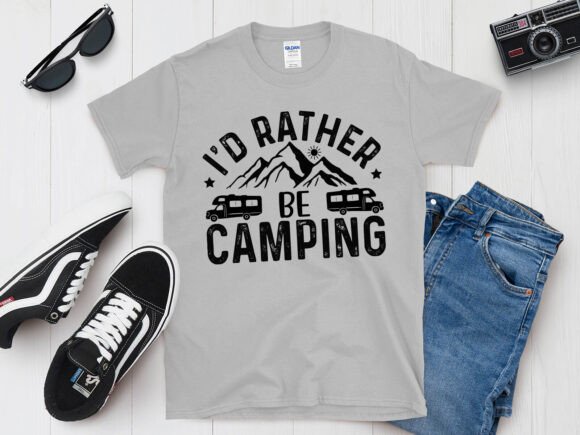
I'd Rather Be Camping Embroidery Review
As a designer who spends more time judging stitch density than I do watching reality TV, I approach every new design file with a mix of optimism and skepticism. We have all seen the endless stream of generic clip art passed off as premium embroidery assets. That is why I decided to put I d Rather Be Camping T-Shirt Design through its paces before recommending it for your next production run. This isn't just about how it looks on a screen; it is about how it translates to thread, fabric, and ultimately, the hands of your customer.
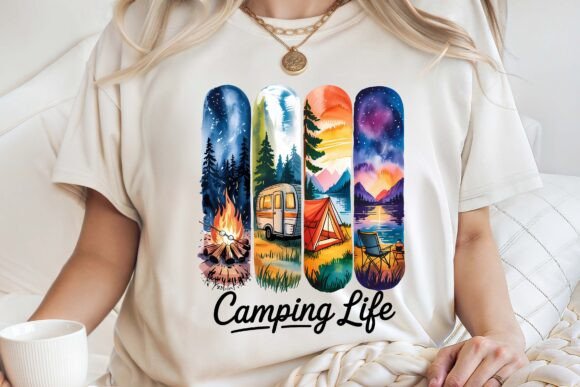
The core concept here is relatable. The phrase "I'd Rather Be Camping" taps into a universal desire for escape, quiet, and nature. For the craft business owner or Etsy seller, this is gold because it targets a specific emotional need. But does the execution hold up? Let us look at the visual personality first. The design carries a casual, rugged, yet playful mood. It feels like something you would wear to a bonfire or a brewery, not a formal event. The layout suggests a balanced composition that works well for chest placements on apparel or centered on tote bags. However, the success of this piece relies heavily on the quality of the underlying graphics and how they are interpreted by the digitizer.
Real-World Application: From Screen to Stitch
I recently had an idea to create a limited run of custom embroidered aprons for a local coffee shop that caters to outdoor enthusiasts. I pulled I d Rather Be Camping T-Shirt Design into my software to see if it would fit the vibe. My initial thought was that the text-heavy nature of the design required careful consideration of font weight and spacing. In real-world scenarios, text-based designs are unforgiving. If the kerning is off or the letters are too thin, they will disappear after a wash cycle.
This design shines when applied to structured fabrics. I envision this looking fantastic on heavy canvas tote bags or sturdy cotton twill caps. The rugged theme pairs naturally with durable materials. When I mock this up digitally, I see it working exceptionally well as a personalized gift for hikers, campers, or anyone who loves the outdoors. It has that "handmade product" charm that customers love to support. Whether you are creating baby embroidery items for a nursery-themed shower or making holiday embroidery gifts for friends, this graphic offers a versatile anchor point.
However, we must talk about versatility. While the product description notes that this design file can be used for t-shirts, stickers, posters, banners, gift cards, mugs, bags, and labels, not every application yields the same result in embroidery. A sticker or a mug might work perfectly with the original vector, but translating that to an embroidery project requires adaptation. For instance, using this on a tea towel is a lovely idea for a housewarming gift, but you need to ensure the design scales down without losing legibility. On larger items like sweatshirt embroidery, the design commands attention, but on smaller surfaces like an embroidered patch, details may get lost.
Technical Considerations for the Savvy Digitizer
When evaluating any machine embroidery design, the devil is in the details. Here is what I noticed about the structural integrity of this asset. First, look at the lettering. If the fonts used are overly decorative or script-based, they may require excessive satin stitch columns, which can lead to puckering on lightweight fabrics. For a camping theme, blocky, bold fonts usually perform better because they mimic the sturdiness of outdoor gear. If the design includes illustrative elements like trees, tents, or mountains, check the fill stitch density. Overly dense fills can make a garment stiff and uncomfortable, especially on children's clothing or delicate fabrics.
I strongly advise testing this design on scrap fabric before committing to your final product. Pay close attention to the stitch density. If the stitches are too close together, the fabric may pucker; if they are too sparse, the background material might show through, ruining the clean look of your finished product. Also, consider the hoop size. Ensure the design fits comfortably within your standard hoops without requiring complex re-hooping, which increases production time and the risk of misalignment.
Another critical factor is the thread colors. The contrast between the thread and the fabric is paramount. On dark fabrics, you will need bright or metallic threads to make the design pop. On light fabrics, darker threads provide sharp definition. Do not assume that a design that looks good in black and white will translate well in color. Run a grayscale test to check the balance of light and dark areas. If the design relies on subtle shading, it may not render well unless you are using high-end multi-head machines with advanced color blending capabilities.
Where to Use It (And Where to Hesitate)
This design is a strong candidate for custom apparel such as hoodies, flannel shirts, and denim jackets. These garments match the rugged aesthetic of the camping theme. It also works beautifully for tote bag design projects, where the durability of the canvas supports the potentially heavier stitching required for clear text. For baby embroidery, use caution. While cute, ensure the design is scaled appropriately and avoids small, choking-hazard-like loose threads. Always use proper stabilizer to prevent distortion, especially on stretchy knits.
Conversely, be wary of using this on highly textured fabrics like thick wool or boucle. The needle may struggle to penetrate, or the texture may obscure the design details. Thin fabrics, such as silk or sheer polyester, are also risky unless backed with a heavy-duty cut-away stabilizer. Curved surfaces like baseball caps can be tricky; ensure the design is digitized specifically for curved hooping or adjust the angle manually to avoid distortion at the edges.
Final Verdict for Craft Business Owners
I d Rather Be Camping T-Shirt Design is a solid choice for sellers targeting the outdoor lifestyle niche. It has the potential to drive sales in the craft business sector, particularly during peak seasons like summer holidays or back-to-school periods. The design’s simplicity makes it accessible for beginners, while its thematic appeal satisfies experienced makers looking for reliable best-sellers.
Before listing this as a small shop product or selling it as a digital embroidery file, remember to review the licensing terms. Are you allowed to sell finished goods? Can you use it in commercial embroidery projects? Clarifying these points protects your reputation and legal standing. Additionally, create printable mockups that showcase the design on various products—aprons, pillow covers, kitchen towels, and blankets. Visualizing the end use helps buyers understand the value of your handmade item.
In conclusion, this design offers a fun, recognizable theme that resonates with a wide audience. By paying attention to technical details like stitch density, thread colors, and fabric texture, you can transform this simple graphic into a professional, high-quality personalized gift or boutique branding element. Test thoroughly, trust your instincts, and let the quality of your execution speak for itself. Happy stitching!