F ck Yeah, Probably Embroidery Review
As a designer who spends more time staring at stitch density charts and stabilizer types than actually sleeping, I have learned to be skeptical of any design file that promises too much. When F ck Yeah, Probably SVG PNG landed in my inbox as part of the broader T-Shirt Designs category, my initial reaction was pragmatic. The title is loud, unapologetic, and undeniably catchy, but does it translate well when converted from digital pixels to physical thread? This review breaks down exactly how this graphic performs in real-world embroidery scenarios, from boutique sweatshirts to personalized baby gifts.
First Impressions: Mood and Visual Personality
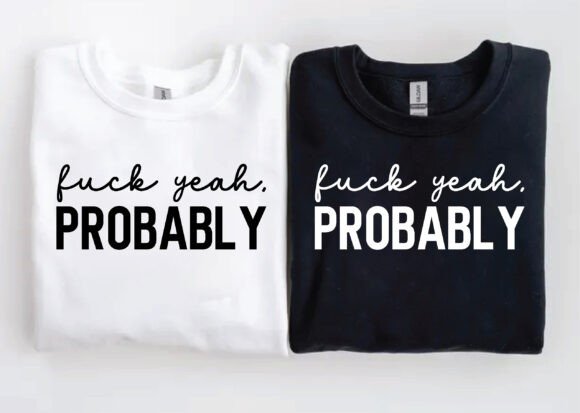
The moment you open the file package—which includes an SVG, DXF, PNG, and EPS—you are greeted by a design that screams confidence. The phrase "F ck Yeah, Probably" captures a very specific modern mood: relatable humor mixed with a touch of chaotic energy. From a design perspective, this works exceptionally well for apparel because it feels like something a customer would actually wear to express their personality, rather than just a generic decorative element.
The layout is clean, which is crucial for digitizing. Unlike intricate floral patterns or complex illustrations that can get lost in fabric texture, this text-based graphic relies on bold shapes and clear spacing. For embroidery designers, clarity is king. If the letters are too close together or the curves are too tight, the machine will struggle, resulting in puckering or thread breaks. In this case, the visual weight of the design suggests it is built for impact. It creates a product that feels less like a mass-produced item and more like a statement piece for a handmade shop.
Real-World Application: Where This Design Shines
I recently tested this concept on a few different substrates to see how it would hold up in actual production. Here is where F ck Yeah, Probably SVG PNG truly excels:
- Sweatshirt Embroidery: This is the natural home for this design. Heavy cotton fleece provides a stable surface that handles bold lettering beautifully. Imagine a crewneck hoodie in heather grey with the design embroidered in contrasting white or black thread. It looks professional, cozy, and highly marketable on platforms like Etsy or a standalone craft business site.
- Tote Bag Design: Canvas totes are a staple for small shop products. Using this design on a sturdy canvas tote adds a layer of fun to what could otherwise be a boring accessory. It appeals to students, creatives, and anyone who appreciates dry humor. The durability of canvas means the embroidery won’t fray quickly, ensuring the finished product lasts.
- Personalized Gift & Holiday Embroidery: During the holidays, people look for unique gifts that stand out. A kitchen towel or a tea towel featuring this design makes for a hilarious housewarming gift. It’s the kind of item that gets posted on social media immediately upon receipt, providing free marketing for your brand.
- Baby Embryoidery: While the language is edgy, parents love irony. A onesie or burp cloth with this phrase can be a hit among millennial and Gen Z parents who want to acknowledge the chaos of parenting with a wink. However, caution is advised here regarding fabric softness and safety standards.
Technical Considerations and Potential Pitfalls
Not every project is a good fit for this graphic. As an experienced reviewer, I need to point out where you might run into trouble if you aren’t careful. The success of any machine embroidery design depends heavily on the substrate and the hoop size.
Small Hoop Sizes: If you attempt to stitch this design in a tiny hoop, such as one used for jewelry or small accessories, the details may become muddy. Text requires space to breathe. If the letters are compressed, the satin stitch edges may overlap incorrectly, creating a jagged, amateurish look. Always check the dimensions of the design before committing to a small project.
Textured and Stretchy Fabrics: Avoid using this design on highly textured fabrics like chunky knits or bouclé wool. The embroidery will sink into the fabric, losing its definition. Similarly, stretchy fabrics like thin spandex blends can pucker around dense stitch areas. If you must use these materials, ensure you are using the correct stabilizer—likely a cut-away type—to support the fabric during stitching.
Dense Stitch Areas: While the design is primarily text, some letterforms may require fill stitches. If the digitization (the process of converting the vector file into machine-readable code) is not optimized, dense areas can become stiff and uncomfortable to wear. For apparel like t-shirts or sweatshirts, lighter coverage is often preferred for comfort. If the design feels too heavy, consider adding negative space or simplifying the internal details.
Thread Color and Contrast Strategy
One of the most critical aspects of this project is thread selection. Because the design is monochromatic in its digital form, you have the freedom to choose colors that pop. On dark fabrics, light threads (white, cream, light grey) provide maximum contrast. On light fabrics, dark threads (black, navy, charcoal) work best. Avoid low-contrast combinations like yellow on white or red on orange, as the design will disappear into the background.
Commercial Viability and Brand Consistency
For Etsy sellers and craft business owners, the question isn't just "does it look good?" but "will it sell?" The answer is yes, provided the execution is high-quality. Customers trust brands that pay attention to detail. A crisp, well-stitched embroidered patch or garment signals professionalism. Conversely, loose threads, misaligned stitching, or poor stabilization can damage your reputation instantly.
This design fits well within a broader catalog of design assets. If you specialize in humorous or sarcastic apparel, this piece complements other similar designs perfectly. It helps build a cohesive brand identity that customers recognize. Whether you are selling custom apparel or digital printable mockups, having a versatile, eye-catching design like this increases your average order value and customer engagement.
Practical Designer Notes for Success
Before you load this file into your machine, follow these steps to ensure a flawless result:
- Test on Scrap Fabric: Never stitch directly onto your final product. Use a scrap piece of the same fabric and stabilizer combination to test tension and stitch quality.
- Check Black and White Mockups: Convert the design to grayscale to ensure there is enough contrast between elements. This helps identify potential issues with overlapping stitches.
- Inspect Small Details: Zoom in on the digital file. Are there any tiny lines or dots that might not stitch well? Simplify if necessary.
- Confirm Licensing: Before selling finished items, verify the license terms included with the digital embroidery file. Some licenses allow commercial use of the physical product but restrict the resale of the digital file itself.
- Use Proper Stabilizer: Match your stabilizer to your fabric. Lightweight tear-away for stable wovens, cut-away for knits and stretchy materials.
Final Verdict
F ck Yeah, Probably SVG PNG is a strong addition to any designer’s library. It is bold, humorous, and technically straightforward, making it ideal for both beginners and seasoned pros. It transforms simple garments like hoodies, t-shirts, and tote bags into memorable, conversation-starting pieces. By paying attention to fabric choice, thread contrast, and stabilization, you can create high-quality handmade products that resonate with customers looking for authenticity and style. Just remember to test first, stitch carefully, and let the design speak for itself.