Canada Day T-Shirt Design Review
As a designer who spends more time than I care to admit staring at stitch density charts and debating thread color palettes, I approach every new machine embroidery design with a healthy dose of skepticism. The market is saturated with generic graphics that look fine on a screen but fall apart when translated into thread. That is why I took the Canada Day T-Shirt Design for a spin—not just as a digital asset, but as a potential centerpiece for real-world projects. Whether you are an Etsy seller, a boutique owner, or a crafter looking to add some national pride to your inventory, this review breaks down how this embroidery file actually performs in the hoop.
First Impressions: Mood and Visual Personality
When I first loaded the design into my digitizing software, the immediate takeaway was its clean, celebratory energy. It captures the essence of Canadian patriotism without leaning too heavily into cliché. For a holiday-specific item like holiday embroidery, it strikes a balance between festive and wearable. The layout feels structured yet relaxed, which suggests it will work well on both casual custom apparel and slightly more polished items like aprons or tote bags.
The visual personality of this Graphics asset leans toward modern minimalism. It avoids clutter, which is a critical factor for me. In embroidery, less is often more because every line requires a physical path for the needle. A busy design can lead to puckering, thread breaks, or a muddy final result. This design’s breathing room allows the eye to rest, making it highly effective for handmade product lines where readability from a distance is key. It feels like a design meant to be worn, not just displayed.
Real-World Application: Where Does It Shine?
I envision this embroidery project fitting seamlessly into several specific categories. First, let’s talk about small business merchandise. If you are preparing for craft fairs or pop-up shops around July, this design is ready to go. It translates beautifully onto tote bag design options, particularly canvas totes where the neutral background allows the red and white elements (assuming standard colorways) to pop. The sturdy nature of canvas pairs well with the likely robust stitching required for a patriotic theme.
Beyond bags, I see strong potential in sweatshirt embroidery. As the weather turns cooler later in the season, or if you are targeting summer evenings, a crisp chest logo on a heather grey or navy sweatshirt adds a touch of sophistication. It also works surprisingly well for baby embroidery. Think onesies or bibs for little ones celebrating their first Canada Day. The scale of such designs usually needs to be moderate, and this file appears to have proportions that won’t overwhelm a small garment.
For the digital product creators among us, this digital embroidery file serves as an excellent base for printable mockup creation. You can showcase it on various backgrounds to demonstrate versatility. It fits the niche of design assets that offer broad utility—perfect for commercial embroidery businesses that need reliable, fast-turnaround designs for client requests during peak holiday seasons.
Specific Use Cases and Product Pairings
- Personalized Gift: Ideal for custom gifts where the recipient has a strong connection to the country. The design feels timeless enough that it won’t look dated next year.
- Embroidered Patch: With a simple border, this could easily be converted or used as a patch for denim jackets or backpacks, adding a tactile element to custom apparel.
- Kitchen and Home: Tea towels and kitchen aprons are classic craft business items. This design brings a cheerful vibe to home decor, appealing to homeowners who want subtle national flair.
- Holiday Embroidery: Specifically tailored for July celebrations, it taps into the seasonal demand surge, making it a smart inventory addition for Q3.
Technical Considerations and Stitch Performance
While the visual appeal is strong, the true test of any machine embroidery design is its technical execution. Without knowing the exact stitch count or specific digitization techniques used by the creator, we must rely on general best practices for this type of Graphics content.
Stitch Density and Clarity: Designs with large solid areas often use fill stitch techniques. If the density is too high, the fabric may pucker, especially on lighter materials. Conversely, if it relies too much on running stitch for details, those lines might look thin or fragile after washing. I always advise testing the stitch density on scrap fabric first. Look for smooth transitions between colors and ensure there are no unnecessary jumps or trims that could snag.
Thread Colors and Contrast: The effectiveness of this design hinges on thread colors. On dark fabric, you will need underlay stitches to make the bright colors stand out. On light fabric, the contrast should be natural. Always check the thread colors against your actual stock to ensure the red isn’t too orange or the white isn’t yellowed, which can ruin the crispness of the final finished product.
Hoop Size and Stability: Confirming the hoop size is essential. If the design is large, it may require multiple hooping or a larger frame, which increases production time. Ensure your machine can handle the dimensions comfortably. Using the right stabilizer is non-negotiable; a tear-away stabilizer might leave residue on delicate fabrics, while a cut-away provides better longevity for washable items like aprons or caps.
Where to Exercise Caution
No design is perfect for every scenario. There are specific situations where you should think twice before using this embroidery file:
- Small Hoop Sizes: If the design contains intricate details that get lost in tiny hoops, it may look blurry or undefined. Avoid using it on very small items like baby socks or miniature patches unless you have verified the detail retention.
- Textured or Stretchy Fabrics: Knits, jerseys, and highly textured fabrics can distort the geometry of the design. The tension may vary, leading to uneven stitches. Stick to woven fabrics like cotton, linen, or canvas for the best results.
- Dense Stitch Areas: If the design has heavy fill sections, avoid using it on thin fabrics like silk or sheer synthetics, as the weight of the thread could cause tearing or visible puckering on the reverse side.
- Curved Surfaces: While it might look good flat, applying it to curved surfaces like caps or sleeves requires advanced technique. The perspective shift can alter the intended shape, so test carefully before committing to a full run.
Final Verdict: Is It Worth Your Time?
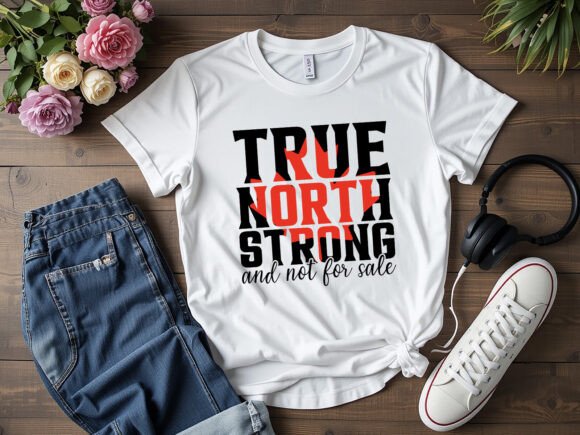
Overall, the Canada Day T-Shirt Design feels like a solid, versatile choice for designers who value clarity and broad applicability. It avoids over-complication, making it accessible for beginners while still offering enough visual interest for seasoned pros. It supports the goals of creative entrepreneurs and makes who want to produce high-quality, recognizable products quickly.
Before purchasing or downloading, remember to verify the specific file formats, license terms for commercial use, and recommended settings for your particular machine. Check whether the design works for both personal and commercial projects, and confirm licensing before selling finished items or digital products. When in doubt, always run a test stitch on your target material.
If you are looking to expand your craft business offerings with a timely, professional-looking embroidery project, this design deserves a spot in your library. It balances aesthetic appeal with practical usability, ensuring that your customers receive a handmade product they will be proud to wear or display. Just remember: good digitization meets good fabric choice, and the result is always a successful finished product.