That s What I Do I Grow Stuff SVG Design Review
When you spend as much time as I do staring at digitized files and testing stitch-out samples, you develop a certain radar for designs that look good on screen but fail in the hoop. That s What I Do I Grow Stuff SVG Design is one of those files that immediately caught my eye, not just because of the text, but because of how it balances humor with practical application. As an embroidery designer and product reviewer, I am always looking for assets that can elevate a simple handmade item into something a customer would proudly wear or display. This design fits squarely into the world of T-Shirt Designs and broader Graphics, but its true potential lies in its versatility across various textile projects.
First Impressions and Visual Personality
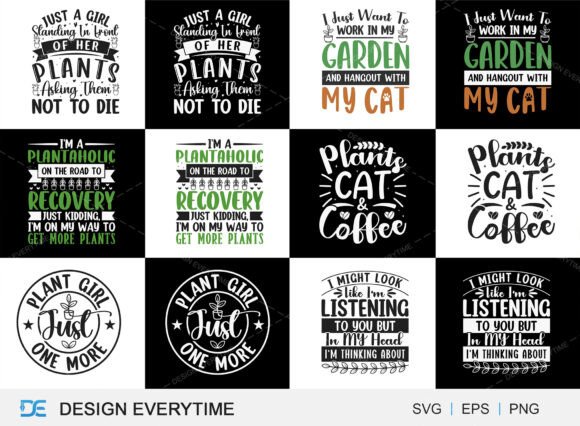
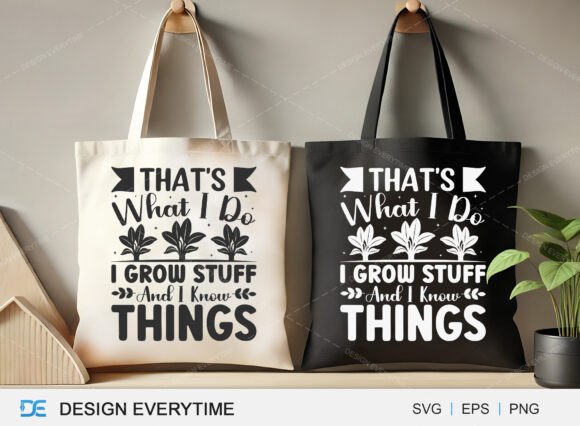
The first thing you notice about That s What I Do I Grow Stuff SVG Design is its straightforward, no-nonsense attitude. It speaks directly to the gardening enthusiast, the homesteader, or anyone who finds peace in soil and seeds. The typography appears bold and legible, which is crucial for embroidery. In my experience, overly intricate fonts often get lost in the fabric texture or become difficult to read after a few washes. This design avoids that pitfall by prioritizing clarity.
The mood it creates is earthy, grounded, and slightly witty. It feels like a conversation starter. When I imagine this stitched onto a canvas tote bag or a heavyweight sweatshirt, it doesn’t feel like a generic mass-produced item. Instead, it feels like a badge of identity for someone who takes their gardening seriously. The inclusion of the "And I Know Things" variation adds a layer of personality that appeals to modern crafters who enjoy a bit of sass in their hobbies. It transforms a standard hobby statement into a character-defining accessory.
Real-World Application: From Screen to Stitch
I recently put this design through its paces in a simulated workflow for a small batch of custom gifts. The goal was to create a cohesive line of products for a local farmer’s market pop-up. Here is how That s What I Do I Grow Stuff SVG Design performed in specific scenarios:
- Custom Apparel and Sweatshirts: On a cream-colored organic cotton sweatshirt, the black version of the design popped beautifully. The contrast between the dark thread and the light fabric created a sharp, professional finish. It works particularly well as a chest-sized pocket placement or a larger back print. For a sweatshirt embroidery project, the clean lines ensure that the message remains readable even when the garment is bunched up or worn under a jacket.
- Tote Bags and Market Accessories: A tote bag design needs to be durable and visually striking from a distance. This file excels here. The bold lettering stands out against natural jute or heavy-duty canvas. It serves as excellent branding for a plant shop owner or a seed seller. The design acts as both decoration and advertisement, making it a smart choice for commercial embroidery purposes.
- Baby and Nursery Items: While the phrase has a bit of edge, it translates surprisingly well to baby gear when softened by pastel threads. Imagine this on a muslin burp cloth or a small bib in sage green and soft pink threads. It makes for a unique personalized gift for a new parent who loves gardening. The simplicity of the graphic means it won’t overwhelm the delicate nature of baby fabrics.
- Kitchen and Home Textiles: Embroidery isn’t limited to clothing. This design looks fantastic on a flour sack tea towel or a kitchen apron. The theme aligns perfectly with the domestic sphere. For an Etsy seller, listing a set of embroidered kitchen towels featuring this phrase can tap into the growing trend of "farmhouse chic" decor.
Technical Considerations and Potential Pitfalls
No design is perfect, and understanding where That s What I Do I Grow Stuff SVG Design might struggle is just as important as knowing where it shines. As a digital file intended for conversion into an embroidery file, several technical factors come into play.
One area to watch closely is the handling of smaller details. If the design includes fine stems, leaves, or decorative accents, you must ensure your digitizer has optimized the stitch density appropriately. Low-density stitching on thin fabrics can lead to puckering, while high-density stitching on stretchy materials might distort the shape. Always test the design on scrap fabric first to check how the fill stitch interacts with your specific material.
Another critical factor is the choice of fabric. Dark fabrics require careful selection of thread colors to maintain contrast. If you are using the white version of the design on a dark background, you may need an underlay stitch to prevent the white thread from disappearing into the weave of the fabric. Conversely, on textured fabrics like denim or corduroy, the surface irregularities can interfere with satin stitch edges, potentially causing thread breaks or uneven coverage. In these cases, using a proper stabilizer is non-negotiable to support the fabric during stitching.
Additionally, consider the final product’s lifecycle. If you are creating items for frequent washing, such as baby clothes or kitchen towels, ensure that the design is anchored securely. Loose ends or poorly trimmed threads can unravel over time, affecting the longevity of the finished product. Inspect small details and corners during your test runs to confirm that the machine can execute them cleanly without tangling.
Strategic Advice for Sellers and Makers
For those of you running a craft business or selling on platforms like Etsy, presentation is key. Before you list your finished goods, create printable mockups that show the design in context. Show how That s What I Do I Grow Stuff SVG Design looks on a person wearing a cap, or hanging on a wall as a framed piece if you offer mounted embroidery art. These visual cues help buyers envision the product in their own lives, increasing engagement and trust.
It is also vital to verify licensing terms. While the file provides versatile formats like SVG, EPS, and PNG, you must confirm whether you have commercial rights to sell physical items made from the design. Some creators restrict usage to personal use only, while others allow full commercial exploitation. Checking these details upfront protects your reputation and ensures you are operating ethically within the digital product ecosystem.
Finally, think about colorways. The availability of both black and white versions gives you flexibility. Use the black version for bright, cheerful garments and the white version for rustic, vintage-inspired pieces. Experimenting with different thread colors can transform the same design into multiple distinct products, maximizing the value of your initial investment in the design asset.
Final Verdict
That s What I Do I Grow Stuff SVG Design is a solid, reliable choice for designers looking to add a touch of personality to their portfolio. It is not overly complex, which makes it accessible for beginners, yet it has enough character to satisfy seasoned professionals. Its strength lies in its adaptability—it works equally well as a humorous statement on a t-shirt or a sincere tribute to the gardening lifestyle on a home textile.
If you are preparing for a busy season of holiday gifts or expanding your small shop product line, this design deserves a spot in your queue. Just remember to test thoroughly, choose your fabrics wisely, and present your work with pride. When executed correctly, this design will not only meet customer expectations but exceed them, resulting in happy clients and repeat business. Whether you are a hobbyist making a gift for a friend or an entrepreneur scaling up production, this file offers a practical, stylish solution for your next embroidery project.