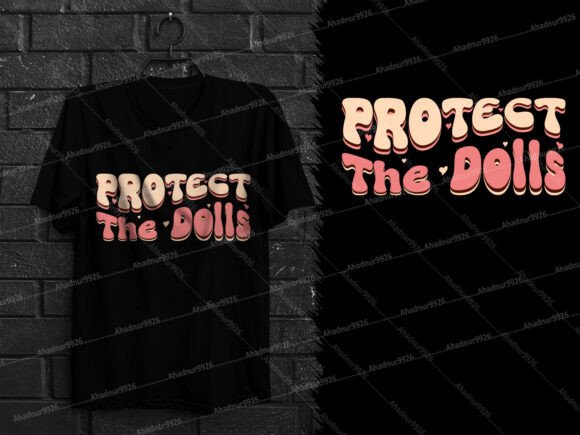
Protect the Dolls Trans Women Solidarity Review
As a designer who spends half my life staring at stitch counts and the other half worrying about how a design will hold up after ten wash cycles, I don’t just look at graphics; I look at viability. When I first pulled up Protect the Dolls Trans Women Solidarity, I wasn’t looking for something pretty to hang on a wall. I was looking for something that could carry weight—both visually and emotionally—in a real-world embroidery project. This piece falls under the umbrella of T-Shirt Designs and Graphics, but in my studio, those labels matter less than execution. Let’s talk about whether this design actually works when the needle starts moving.
First Impressions: Mood and Visual Personality
The immediate takeaway from Protect the Dolls Trans Women Solidarity is its boldness. It doesn’t whisper; it stands firm. The layout suggests a strong central focal point, which is crucial for embroidery because we are dealing with thread tension, fabric distortion, and limited resolution compared to digital printing. The theme centers on solidarity and protection, which translates into a visual language that feels grounded rather than frivolous. For a designer, this is promising. It means the design has a clear narrative arc that customers can connect with instantly.
Visually, the shapes appear clean enough to translate well into satin stitches without becoming muddy. There is a sense of intentionality in the spacing. It isn’t cluttered. In an era where many designs try to cram every possible symbol into one square inch, this design breathes. That breathing room is exactly what you need when you are working with a 4x4 or 5x7 hoop. It allows the eye to rest and gives the stitching process a rhythm that isn’t frantic. The mood is supportive and empowering, making it ideal for products that aim to make a statement without shouting too loudly.
Real-World Application: Where Does This Fit?
I like to test designs by imagining them on specific products before I even load the file into my machine. With Protect the Dolls Trans Women Solidarity, my mind went straight to custom apparel and tote bags. Specifically, I see this thriving on a heavyweight cotton canvas tote bag. The structure of the bag provides a stable surface, allowing the design to lay flat and show off its details without the warping that happens on softer fabrics.
However, it isn’t limited to just bags. This design would perform exceptionally well as an embroidered patch for a denim jacket or a sweatshirt. The solidarity theme resonates deeply in streetwear and casual fashion, so placing this on a high-quality hoodie creates a product that feels both personal and professional. I also envision this working beautifully on baby items, such as a muslin blanket or a onesie, though that requires a delicate touch. The message is universal, which makes it a versatile asset for any craft business owner looking to expand their inventory.
For Etsy sellers and small shop owners, this design offers a great balance. It is unique enough to stand out in a crowded marketplace but familiar enough in its sentiment that buyers understand it immediately. It fits perfectly into categories like holiday gifts, wedding gifts, or boutique branding. Imagine a boutique selling pride month merchandise or gender-affirming support kits; this design adds a layer of professionalism and care that generic clipart simply cannot match.
Technical Considerations and Potential Pitfalls
No design is perfect, and knowing where a design might struggle is just as important as knowing where it shines. When evaluating Protect the Dolls Trans Women Solidarity, there are several areas where a designer needs to be cautious.
- Hoop Size Limitations: If you attempt to embroider this in a very small hoop, you risk losing detail. Fine lines may merge together, creating a blob rather than a crisp image. Always check the bounding box of the design before committing to a tiny accessory like a cap brim or a small pocket placement.
- Fabric Texture: While this design looks sharp on smooth cotton, textured fabrics like boucle wool or heavy fleece can obscure the finer details. The thread might get lost in the weave, dulling the visual impact. Stick to stable, medium-weight fabrics for the best results.
- Stretchy Materials: Embroidery on stretchy knits requires extra stabilization. Without proper backing, the fabric can pucker around the dense stitch areas. If you plan to put this on a t-shirt or a jersey, ensure you are using a cut-away stabilizer to maintain integrity over time.
- Dense Stitch Areas: Pay close attention to any solid fill sections. High stitch density can make the fabric stiff and uncomfortable, especially on wearable items like baby clothes or aprons. If the density is too high, consider digitizing adjustments to reduce the thread count while maintaining the shape.
- Color Contrast: The effectiveness of this design relies heavily on thread color choice. On dark fabric, you need bright, opaque threads to ensure the graphic pops. On light fabric, darker threads provide necessary definition. Test your combinations before mass production.
Practical Designer Notes for Execution
Before you rush to print mockups or list this as a commercial embroidery product, take these steps to ensure quality:
- Test on Scrap Fabric: Never assume a design will work perfectly on your final material. Run a test stitch-out on the exact fabric type you intend to use. This reveals issues with puckering, tension, or color blending early.
- Check Stitch Density: Look closely at the digitization. Are there unnecessary jumps? Is the underlay sufficient? A good embroidery file should have logical stitch directions that follow the contours of the design.
- Inspect Small Details: Zoom in on the digital preview. Are there tiny elements that might not survive the stitching process? If they are too small, they may break or become invisible. Simplify if necessary.
- Black and White Mockup: Convert the design to grayscale to check contrast. If the design loses its form in black and white, it likely lacks the visual hierarchy needed for effective embroidery.
- Confirm Licensing: This is critical. As a digital product seller or Etsy seller, you must verify the license terms provided by Ahadnur9926. Ensure you have the right to sell finished goods made from this design. Some licenses restrict commercial use or require attribution.
Impact on Product Value and Brand Trust
Using a well-executed design like Protect the Dolls Trans Women Solidarity elevates your brand. Customers can tell the difference between a rushed, low-quality stitch job and a thoughtfully designed piece. When a customer sees a clear, crisp representation of solidarity and protection, they associate that clarity with your professionalism. It builds trust. It shows that you care about the message as much as the medium.
This design is more than just a graphic; it is a conversation starter. It invites engagement. Whether it is worn on a sweatshirt embroidery project or displayed on a tote bag design, it communicates values. For makers and hobbyists, this adds emotional value to the handmade product. It transforms a simple piece of cloth into a token of support. That connection is what drives repeat customers and positive reviews.
Final Verdict
Protect the Dolls Trans Women Solidarity is a strong contender for anyone looking to add meaningful content to their embroidery project lineup. It balances aesthetic appeal with practical usability, provided you respect the technical limitations of embroidery. It is suitable for custom apparel, personalized gifts, and small shop products that aim to resonate with modern audiences.
If you are prepared to do the due diligence—testing fabrics, checking densities, and confirming licenses—this design can serve as a valuable asset in your collection. It is not just another machine embroidery design; it is a statement piece that, when stitched correctly, can truly protect and celebrate the dolls among us. For the discerning designer who values both heart and craft, this is a worthy addition to your workflow.