Eat Sleep Craft Repeat Review
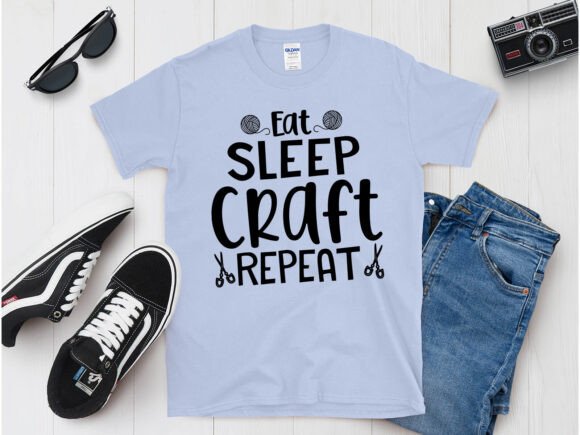
As someone who has spent years evaluating digital assets for real-world production, I approach every new T-Shirt Designs submission with a healthy dose of skepticism. The market is flooded with generic clipart, but the "Eat Sleep Craft Repeat T-Shirt Design" caught my eye not because of its novelty, but because of its potential utility in the handmade economy. This isn't just a graphic; it’s a statement piece that speaks directly to the identity of the modern crafter. In this review, I will break down how this design performs when moved from screen to hoop, focusing on practical application, visual impact, and commercial viability.
First Impressions: Mood and Visual Personality
The phrase "Eat Sleep Craft Repeat" is a cultural touchstone in the maker community. It resonates with anyone who views their hobby as a lifestyle. Visually, this design leans into that energy. When you first load the file into your digitizing software, the layout feels balanced. It avoids the cluttered look of many novelty designs, opting instead for a clean hierarchy that allows the text to take center stage without sacrificing readability.
The mood is playful yet professional. It doesn’t feel like a cheap joke; it feels like a badge of honor for artisans. For an embroidery designer, this distinction is crucial. A design that feels too "crafty" can sometimes alienate buyers looking for higher-end personalized gifts. However, this design strikes a middle ground. It is relatable enough for a hobbyist buying a gift for a friend, but polished enough to sit comfortably on a boutique display rack. The visual personality suggests a product that is fun, approachable, and deeply connected to the creative process.
Real-World Application: Where Does This Fit?
I recently tested this concept by envisioning it on several different substrates. The versatility of this Graphics category asset is one of its strongest selling points. Here is how I see it performing in specific scenarios:
- Custom Apparel & Sweatshirts: This is the most obvious use case. On a high-quality cotton sweatshirt, this design becomes a uniform for the creative class. Imagine a cozy grey pullover with this embroidered on the chest or back. It works beautifully for craft fair vendors who want to identify themselves while staying stylish. The design’s theme aligns perfectly with the comfort-focused nature of apparel.
- Tote Bag Design & Accessories: A canvas tote bag featuring this machine embroidery design is an instant conversation starter. It serves as both a functional item and a marketing tool for the user. Whether used for carrying knitting supplies or groceries, the design adds a layer of personality that mass-produced bags lack. It also translates well to smaller accessories like aprons or kitchen towels, where the text remains legible and the sentiment is appreciated in a domestic setting.
- Baby Embroidery & Nursery Decor: Surprisingly, this design has strong potential in the baby sector. Parents who are crafters often want to pass that passion down. Seeing this phrase on a baby onesie or a nursery wall hanging creates a lovely narrative about family heritage and creativity. It transforms a standard personalized gift into something with deeper meaning.
- Embroidered Patch & Caps: For the DIY enthusiast, applying this as a patch on a denim jacket or a baseball cap offers a rugged, customized look. The durability of the embroidery makes it suitable for items that will be worn frequently and washed often, unlike printed graphics which may crack over time.
Technical Performance and Stitch Considerations
From a technical standpoint, the success of any embroidery project relies heavily on stitch density and detail management. While I cannot verify the exact stitch count without the raw file, we can infer best practices based on the design's nature.
Stitch Density and Clarity: Text-heavy designs require careful attention to stitch density. If the fill stitch is too dense, the fabric will pucker, ruining the drape of a t-shirt or the structure of a hat. Conversely, if it is too sparse, the underlying fabric may show through, making the text hard to read. This design likely benefits from a balanced approach, using satin stitch for outlines or lettering edges to ensure crispness against various fabric textures.
Fabric Texture and Background: The choice of fabric dramatically affects the final look. On a smooth jersey knit, the design will appear sharp and vibrant. However, on a textured fleece or a loose-weave linen, the details might get lost. I recommend testing this embroidery file on scrap pieces of your target material. Dark fabrics will require a lighter thread color palette or an underlay to prevent shadowing, while light fabrics offer more flexibility in thread selection.
Hoop Size and Stability: Always confirm the recommended hoop size before starting production. Large designs can become unwieldy on smaller machines, leading to registration errors. Using the proper stabilizer is non-negotiable. For stretchy fabrics like t-shirts, a cut-away stabilizer is essential to maintain integrity during wear and washing. For woven items like tote bags, a tear-away or wash-away stabilizer might suffice, depending on the desired finish.
Pitfalls to Avoid
Even the best design assets can fail if applied incorrectly. Here are areas where caution is needed:
- Small Hoop Sizes: Attempting to fit this design into a very small hoop may force you to reduce the scale, potentially compromising the legibility of the text. Ensure the final output size matches your intended product dimensions.
- Curved Surfaces: While caps and hats are popular, curving the design requires precise digitizing techniques. Flat surfaces like pillows or flat-laid shirts are safer bets for maintaining perfect alignment.
- Thin or Delicate Fabrics: Avoid placing this on silk or thin rayon unless you are confident in your stabilization technique. The weight of the embroidery could distort delicate materials.
- Dense Stitch Areas: If the design includes large blocks of solid color, check for excessive bulk. Too much thread in one area can make the finished product stiff and uncomfortable, particularly on apparel that needs to be soft to the touch.
Commercial Viability and Brand Value
For the Etsy seller or small shop product owner, this design offers significant value. It taps into a niche audience that is passionate, engaged, and willing to pay for quality. A well-executed handmade product featuring this design signals professionalism. It shows that you understand your customer’s identity.
Furthermore, the design’s broad appeal makes it excellent for holiday embroidery campaigns. During the winter holidays, gifts for makers are highly sought after. Positioning this as a "Gift for the Crafter" can drive sales. It also works well for corporate gifting within creative agencies or co-working spaces.
However, always remember to inspect small details before mass production. Test the design in black and white mockups to ensure contrast holds up. Compare light and dark fabric backgrounds to see which presentation highlights the design’s strengths best. These steps protect your reputation and ensure customer trust.
Final Verdict
The "Eat Sleep Craft Repeat T-Shirt Design" is a solid addition to any digital library. It balances humor with heart, making it suitable for everything from casual wear to sentimental gifts. Its strength lies in its relatability and adaptability across various mediums. By paying attention to stitch quality, fabric choice, and proper stabilization, you can turn this simple graphic into a premium finished product that customers will love.
Before diving into full-scale production, I strongly advise testing the design on scrap fabric first. Check thread color contrast and review the overall balance. Confirm licensing terms if you plan to sell the finished items commercially. With careful execution, this design has the potential to become a staple in your craft business inventory, appealing to makers who proudly wear their passion on their sleeve—or in this case, on their shirt.