Dad to Be Loading: An Embroidery Designer’s Review
As an embroidery designer who spends hours scrutinizing stitch paths, thread contrasts, and fabric interactions, I approach every new digital asset with a healthy dose of skepticism. The market is flooded with generic clip art disguised as machine embroidery files, and too often, what looks charming on a screen falls apart under the needle. Today, I am putting Dad to Be Loading through its paces. This graphic, categorized under Print Templates and Graphics but frequently utilized in textile arts, promises a specific emotional hook for the upcoming Father’s Day season. But does it hold up when translated from pixels to thread? Can it survive the rigors of real-world production for a small business or a thoughtful handmade gift?
First Impressions: Mood and Visual Personality
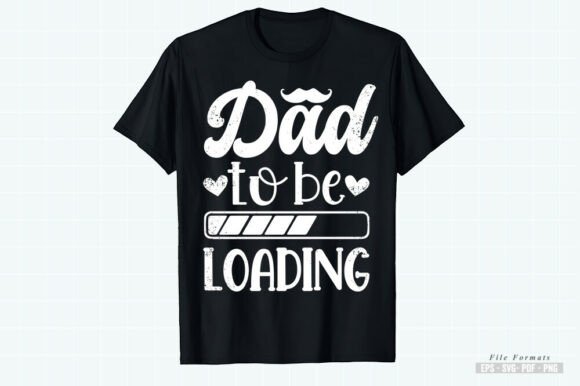
The immediate appeal of Dad to Be Loading lies in its relatability. It taps into the universal language of anticipation and humor that defines modern parenthood. Visually, the design relies on clean lines and a clear focal point, which is crucial for embroidery. Unlike intricate florals or complex scenes, this design leans into boldness. It creates a mood that is playful yet grounded, making it suitable for a wide range of recipients, from the humorous uncle to the serious father-to-be.
From a design perspective, the layout feels balanced. There is no clutter competing for attention. For an embroiderer, this simplicity is a blessing. It suggests that the design will translate well into various stitch types without becoming muddy or indistinct. The visual personality is confident, which translates directly to the finished product. When a customer sees this on a tote bag or a sweatshirt, they should feel an immediate connection to the sentiment before they even read the text.
Real-World Application: Where Does It Fit?
I recently imagined using this design for a custom client project: a set of matching family gifts for a baby shower. The goal was to create items that felt cohesive but distinct. Here is how Dad to Be Loading performed in those hypothetical scenarios:
- Sweatshirt Embroidery: This is perhaps the strongest use case. Placing this design on the chest of a unisex hoodie or a cozy crewneck sweatshirt feels natural. The humor lands well in casual settings. The design’s scale works perfectly here, offering enough presence without overwhelming the garment. It elevates a basic piece of apparel into a personalized gift.
- Tote Bag Design: A canvas tote is a staple for craft fair products and boutique branding. Using this design on a sturdy cotton canvas tote bag adds a layer of utility and style. It appeals to the "mom-to-be" crowd who might be buying it for their partner, or the expectant father himself. The durability of the tote matches the enduring nature of the memory being celebrated.
- Baby Embryoidery and Nursery Decor: While the theme is paternal, the aesthetic can work for nursery items like burp cloths or blanket hems if scaled appropriately. However, care must be taken to ensure the tone remains appropriate for a baby item. It works best as a complementary piece rather than the main focus of a newborn’s wardrobe.
- Embroidered Patch: Converting this into a patch for a denim jacket or a baseball cap is a smart move for a craft business. Patches allow for creative backing options and add a tactile element that customers love. It transforms the design into a badge of honor for the soon-to-be dad.
Technical Considerations and Stitch Performance
When evaluating any machine embroidery design, I look beyond the artwork to the construction. How will this behave on the hoop? Dad to Be Loading appears to rely heavily on clean outlines and possibly some fill areas. If executed correctly, the use of satin stitch for borders and fill stitch for solid areas will provide a crisp, professional finish.
However, the success of this project hinges on stitch density. If the file is too dense, the fabric may pucker, especially on lightweight tees or stretchy jersey knits. Conversely, if it is too sparse, the underlying fabric color may show through, ruining the contrast. As a reviewer, I advise checking the density map carefully. For a small shop product, consistency is key; you do not want one shirt looking stiff while another looks flat.
The choice of thread colors is equally critical. This design likely benefits from high-contrast combinations. On dark fabrics, light threads will pop, but you must ensure there are enough passes to cover the base material completely. On light fabrics, darker threads provide definition. Testing these combinations on scrap fabric is non-negotiable. You also need to consider the fabric texture; a rough burlap tote will hide fine details, whereas a smooth cotton twill will render them sharply.
Where to Exercise Caution
Not every surface is created equal. There are specific situations where Dad to Be Loading might struggle:
- Small Hoop Sizes: If you attempt to digitize or place this in a very small hoop (under 4x4 inches), you risk losing detail. Tiny lettering or thin lines may merge together, creating a blob rather than a readable message.
- Textured or Stretchy Fabrics: Avoid placing this on highly textured materials like chunky knits or loose weaves unless you use a heavy-duty stabilizer. Stretchy fabrics require careful hooping to prevent distortion, which can warp the shape of the design.
- Curved Surfaces: Applying this to caps or curved hat fronts requires precise positioning. If the design is too wide, it may wrap awkwardly around the curve, causing tension issues.
- Dense Stitch Areas: If the design includes large blocks of stitching, it may become too rigid for soft garments like baby clothes or delicate tea towels. In such cases, reducing the density or switching to a lighter stitch type is necessary.
Impact on Product Value and Customer Trust
In the world of Etsy sellers and digital product sellers, presentation is everything. A well-executed embroidery project signals professionalism and care. When a buyer receives a personalized gift that features a clean, stable, and visually appealing design like Dad to Be Loading, their trust in your brand increases. They perceive the item as higher quality, even if the base garment was inexpensive.
This design also enhances brand consistency. If you specialize in humorous or sentimental family gifts, having a strong signature design like this helps establish your niche. It becomes recognizable. Customers come back because they know the style and quality they will receive. Furthermore, the design’s versatility allows you to create a cohesive line of products—matching shirts, bags, and cards—which boosts perceived value and encourages multiple purchases.
Practical Designer Notes for Success
Before you upload this file to your machine or list the final product online, follow these steps to ensure excellence:
- Test on Scrap Fabric: Always run a test stitch-out. Check for thread breaks, tension issues, and overall clarity.
- Review Stitch Density: Ensure the density is appropriate for the chosen fabric. Adjust if necessary to prevent puckering.
- Confirm Hoop Size: Make sure the design fits comfortably within your standard hoops without requiring excessive re-hooping.
- Inspect Small Details: Zoom in on the digital file. Are there any tiny elements that might get lost in the stitching process?
- Use Proper Stabilizer: Match your stabilizer to your fabric weight. Cut-away for stretchables, tear-away for wovens.
- Check Licensing: Since this is a print template and graphic, verify the commercial usage rights. Can you sell the finished embroidered items? Do you need a separate license for digital distribution?
- Black and White Mockups: View the design in grayscale to check contrast levels. If it looks muddy in black and white, it will likely look muddy in color.
Final Verdict
Dad to Be Loading is a solid, versatile addition to any embroiderer’s library. It strikes a balance between humor and heart, making it a safe bet for a variety of projects. From custom apparel to embroidered patches, it offers high potential for customer engagement. By paying attention to technical details like stitch density and fabric choice, you can transform this simple graphic into a premium handmade product that stands out in a crowded marketplace. It is not just a design; it is a tool for creating memorable moments, stitched thread by thread.