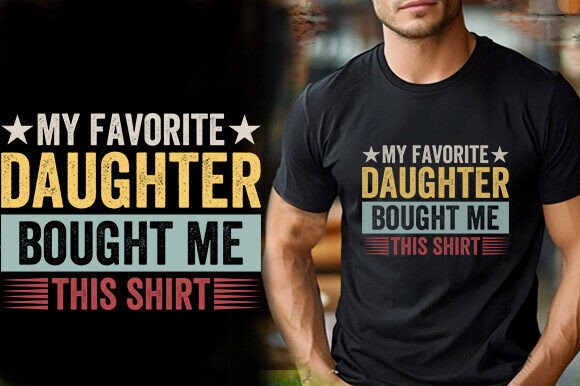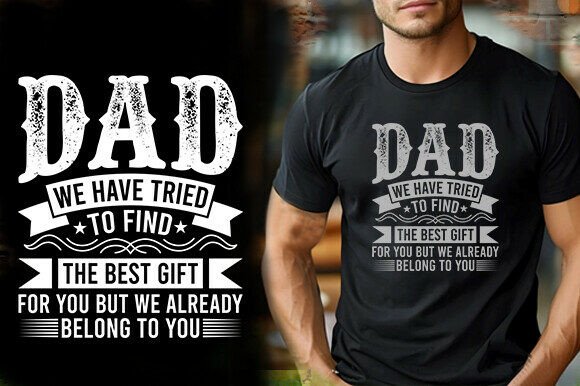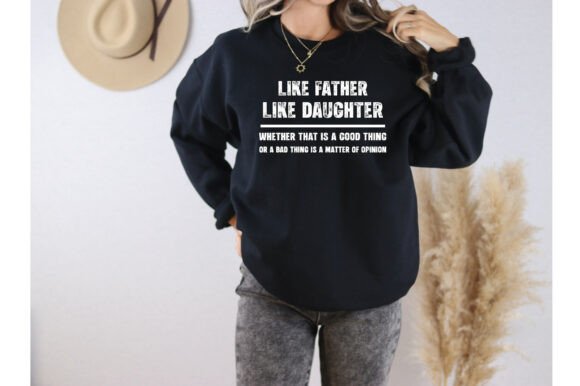
Dad Gift from Daughter, Fathers Day Gift
As a designer who spends half my day digitizing and the other half testing stitches on scrap fabric, I don’t just look at a design file; I look at how it will behave under the needle. When evaluating Dad Gift from Daughter, Fathers Day Gift, my primary concern isn’t just aesthetics—it’s structural integrity, marketability, and the emotional resonance of the final piece. This review breaks down how this specific asset performs in real-world scenarios, helping you decide if it deserves a spot in your library or your next client project.
First Impressions: Mood and Visual Personality
The moment you open the files for Dad Gift from Daughter, Fathers Day Gift, the intent is clear. It is designed to evoke warmth, nostalgia, and familial connection. The visual personality leans towards sentimental rather than edgy or minimalist, which makes it a strong candidate for heartfelt gifting occasions. For an embroidery designer, the layout suggests a balanced composition that likely works well centered on garments or placed strategically on accessories.
From a graphic design standpoint, the assets provided—ranging from vector formats like AI and EPS to raster options like PNG and SVG—offer versatility. However, as someone reviewing this for machine embroidery application, I am looking beyond the raw pixels. I am assessing how the shapes translate into thread. Does the design rely on tiny, fragile details that might get lost in satin stitch? Or does it use bold, confident lines that hold up well after repeated washing? The description notes high resolution (300 Dpi), which ensures crispness for printing, but for embroidery, the vector scalability is what truly matters for clean digitization or direct-to-film transfers.
Real-World Application: Where This Design Shines
I recently considered using Dad Gift from Daughter, Fathers Day Gift for a custom order involving a heavyweight cotton sweatshirt for a father who loves his garden. The design’s theme fits perfectly here. Embroidery on thick fabrics adds texture and depth, making the sentiment feel tangible. The design would likely stand out beautifully against a heather grey or navy background, providing a nice contrast without overwhelming the garment.
Beyond apparel, this design has significant potential in the realm of handmade products. Imagine a personalized apron for a dad who enjoys cooking. The placement on the chest pocket area allows the design to be prominent yet practical. Similarly, for a tote bag design made of sturdy canvas, the embroidery adds a premium touch that elevates the item from a simple utility object to a keepsake. Parents often buy these for their children to carry, or children gift them to parents, creating a circular emotional value.
In the context of Etsy seller inventory, this design fills a niche for personalized gifts. Buyers on platforms like Etsy are looking for uniqueness. A standard printed t-shirt feels mass-produced, but an embroidered version of Dad Gift from Daughter, Fathers Day Gift signals care and effort. It transforms a generic product into a personalized gift that customers are willing to pay a premium for. This is particularly true for holiday seasons, where holiday embroidery items see a surge in demand.
Technical Considerations and Potential Pitfalls
No design is perfect for every surface. When planning to use Dad Gift from Daughter, Fathers Day Gift, there are several technical constraints you must respect. First, consider the hoop size. If the design is large, ensure your machine can accommodate it. If you attempt to embroider this on a curved surface like a baseball cap, the tension may vary, leading to puckering. In such cases, using a stabilizer specifically designed for curved surfaces is non-negotiable.
Fabric choice is equally critical. While this design looks great on structured cottons, it may struggle on highly textured fabrics like bouclé or thin, stretchy knits unless stabilized properly. On stretchy materials, the stitch density must be adjusted to prevent distortion. If the design includes fine lettering or intricate details, test it on scrap fabric first. Thin fabrics might show backing through the front, ruining the clean look of the finished product.
Another area requiring caution is color contrast. If you are working with dark fabric, ensure your thread colors provide enough visibility. Conversely, on light fabrics, avoid threads that blend too closely with the material. The goal is clarity. If the design relies on subtle shading, verify that your machine can handle the necessary thread changes smoothly. Poor thread quality can lead to breakage, especially in dense areas, so always invest in good thread colors.
Impact on Product Value and Brand Trust
Using a well-executed design like Dad Gift from Daughter, Fathers Day Gift directly influences customer trust. When a buyer receives a product with neat, consistent stitching and no loose threads, they perceive higher value. This is crucial for small business owners building their brand reputation. A sloppy execution can damage your credibility, while a professional finish encourages repeat purchases and positive reviews.
Furthermore, the design’s emotional appeal enhances buyer engagement. People share photos of meaningful gifts on social media. A beautifully embroidered tote bag or a cozy sweatshirt featuring this design is likely to be photographed and shared, providing organic marketing for your shop. This kind of user-generated content is invaluable for craft business growth.
For commercial embroidery projects, consistency is key. If you are producing multiple units, ensure that each piece meets the same standard. Variations in hoop placement or thread tension can make a batch look unprofessional. Using digital mockups before production can help visualize the final result and catch potential issues early.
Practical Designer Notes for Implementation
- Test on Scrap: Always run a test stitch on the actual fabric you plan to use. This reveals issues with tension, stability, and thread compatibility.
- Check Stitch Density: Review the digitization to ensure the density is appropriate for the fabric weight. Too much density can cause puckering; too little can leave gaps.
- Use Proper Stabilizer: Match the stabilizer to the fabric type. Cut-away stabilizers are generally better for woven garments, while tear-away may suffice for temporary projects.
- Inspect Small Details: Zoom in on the design files. Are any elements too small to be stitched clearly? Simplify if necessary.
- Verify Licensing: Before selling finished items, confirm the license terms associated with the design assets. Ensure you have commercial rights if you intend to sell the final products.
- Mockup Testing: Create black and white mockups to check contrast and layout. This helps in deciding the best thread colors and placement.
Final Verdict
Dad Gift from Daughter, Fathers Day Gift is a solid addition to any designer’s collection, particularly for those focusing on sentimental, family-oriented merchandise. Its versatility across various embroidery project types—from sweatshirt embroidery to aprons—makes it a valuable asset. By paying attention to technical details like fabric choice, stabilizer usage, and stitch quality, you can transform this digital file into a cherished physical keepsake. For Etsy sellers and crafters, it offers a reliable way to create high-value, emotionally resonant products that stand out in a crowded market. Just remember: the design is only as good as the execution. Take your time, test thoroughly, and let the quality of your work speak for itself.